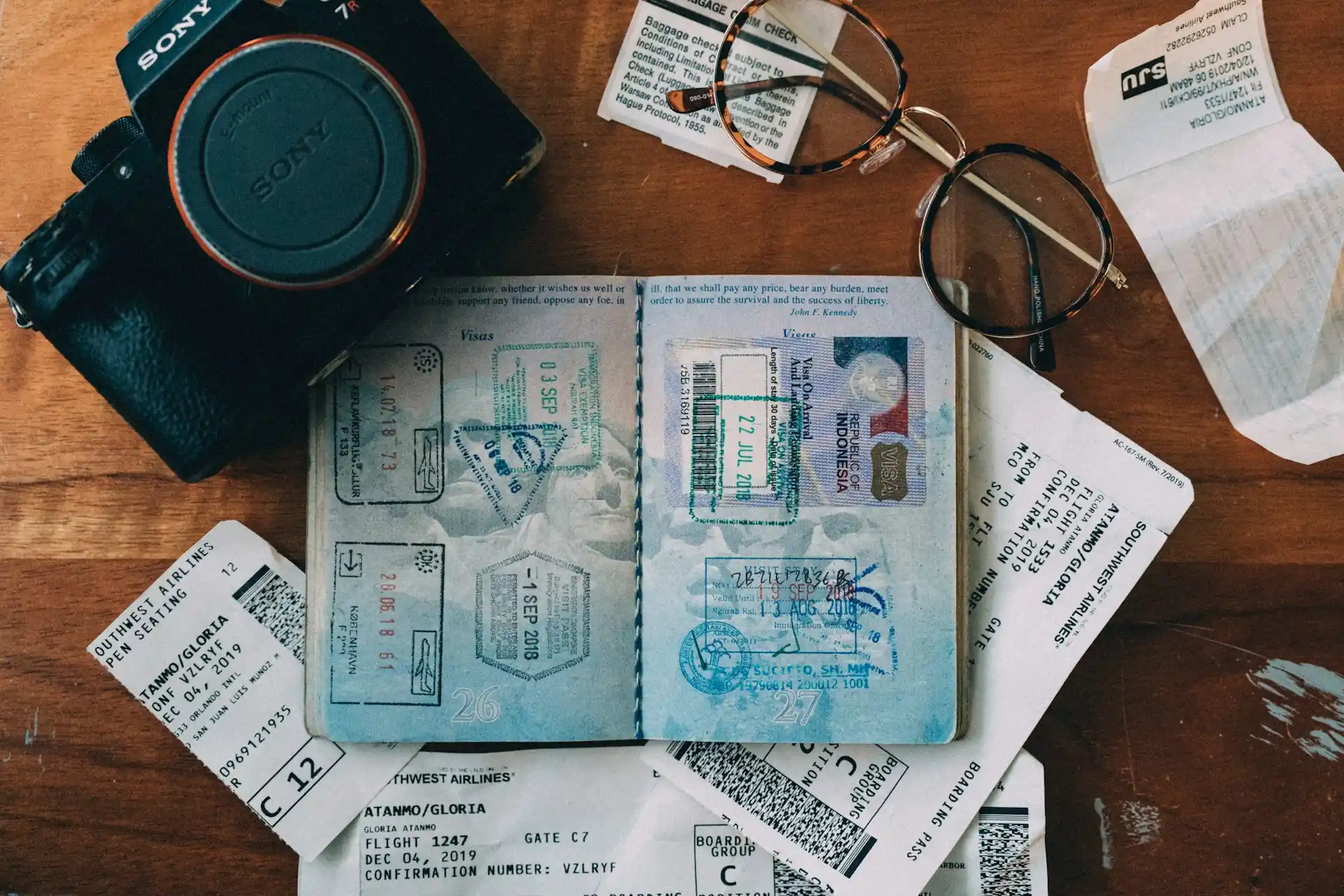
Bali has long been one of the world’s most popular destinations for remote workers. With its beautiful beaches, vibrant café culture, reliable coworking spaces, and relatively affordable cost of living, it’s easy to see why thousands of digital nomads choose the Island of the Gods each year.
If you’re planning to work remotely from Indonesia, understanding the digital nomad visa is essential. This guide explains who qualifies, the requirements, application process, costs, and important considerations before making the move.
What Is the Bali Digital Nomad Visa?
Indonesia’s digital nomad visa, officially known as the E33G Visa, is a temporary stay permit (KITAS) designed for foreign nationals who work remotely for companies based outside Indonesia.
The visa allows eligible remote employees to legally live in Bali or elsewhere in Indonesia while continuing their overseas employment. Unlike tourist visas, the E33G visa is specifically intended for long-term remote work.
However, this visa does not allow holders to:
- Work for an Indonesian employer
- Earn income from Indonesian clients
- Operate a local business under this visa category
Instead, applicants must remain employed by a company located outside Indonesia.
Who Is Eligible for a Digital Nomad Visa?
Before applying, make sure you meet the eligibility requirements.
Employment Requirement
Applicants must have an active employment contract with a company based outside Indonesia. This visa is intended for remote employees who work for overseas businesses while living in Indonesia. If you’re self-employed or working as an independent freelancer, you may need to explore other visa options that better suit your situation.
Minimum Income
One of the main requirements is proving an annual income of at least USD 60,000. Applicants are also expected to demonstrate financial stability by providing recent bank statements, including proof that they meet the required balance criteria. These financial requirements help show that you can support yourself during your stay in Indonesia.
Passport Validity
Your passport should remain valid for at least six months beyond your intended arrival date. It’s also a good idea to check that your passport has enough blank pages for immigration purposes and renew it before applying if it’s close to expiring. This can help avoid delays or complications during the visa application process.
Required Documents
Preparing your paperwork in advance can make the application process much smoother.
You’ll generally need:
- A passport with at least six months’ validity
- A recent passport photograph
- An updated curriculum vitae (CV)
- Your travel itinerary
- Bank statements showing financial eligibility
- Proof that your account has maintained at least USD 2,000 during the previous three months
- An employment contract from a company outside Indonesia
Immigration authorities may request additional documents depending on your circumstances, so always review the latest requirements before submitting your application.

How to Apply for a Digital Nomad Visa
Indonesia offers an online application system, making the process relatively straightforward.
- Confirm Your Eligibility: Review the visa requirements carefully, especially the employment and income criteria.
- Prepare Your Documents: Gather digital copies of all required documents before beginning your application.
- Submit Your Online Application Visit the official Indonesian Directorate General of Immigration website, create an account, and select the E33G Digital Nomad Visa.
Complete the online form and upload your supporting documents.
- Pay the Visa Fee: The application fee is approximately IDR 7,000,000, payable by credit or debit card.
- Wait for Processing: Applications are generally processed within around 14 working days, although processing times may vary during busy periods or if additional documentation is requested.
Once approved, you’ll receive your electronic visa via email.
How Long Can You Stay in Bali?
The digital nomad visa is valid for one year. One of its biggest advantages is the possibility of renewing it once, allowing eligible applicants to stay for up to two years in total. This makes it an attractive option for professionals looking for a longer-term base in Southeast Asia without frequently leaving the country to renew short-term visas.
Understanding Taxes for Digital Nomads
Moving abroad often raises questions about taxes. Indonesia does not impose a separate tax specifically for digital nomad visa holders. Instead, general tax residency rules apply. If you spend more than 183 days in Indonesia within a year, you may become an Indonesian tax resident. This could mean your worldwide income becomes subject to Indonesian taxation.
Tax obligations can become complicated if you also remain liable for taxes in your home country. Double taxation agreements may apply depending on your nationality. Because every situation is different, consulting an international tax professional before relocating is highly recommended.

Why Bali Continues to Attract Digital Nomads
Beyond visa availability, Bali offers a lifestyle that appeals to remote professionals from around the world.
Some of the biggest advantages include:
Affordable Living
Compared to many major cities, Bali offers excellent value for accommodation, dining, transportation, and wellness activities.
Strong Remote Work Community
Areas such as Canggu, Ubud, and Uluwatu have thriving communities of entrepreneurs, freelancers, and remote employees. Networking events and coworking spaces make it easy to meet like-minded professionals.
Reliable Coworking Spaces
Modern coworking hubs provide fast internet, meeting rooms, cafés, and opportunities to connect with other remote workers.
Excellent Work-Life Balance
Whether you enjoy surfing before work, yoga after meetings, or weekend trips to waterfalls and temples, Bali offers countless opportunities to recharge outside office hours.
Tips Before Moving to Bali
Before packing your laptop and booking your flight, keep these practical tips in mind:
- Arrange comprehensive travel or health insurance.
- Research accommodation before arriving, especially during peak travel seasons.
- Budget for visa fees, rental deposits, and relocation expenses.
- Learn basic Indonesian phrases to make daily life easier.
- Familiarise yourself with local customs and cultural etiquette.
- Stay updated with immigration regulations, as visa policies may change over time.
Planning ahead will help make your transition smoother and allow you to focus on enjoying your new remote-working lifestyle.
Final Thoughts
For remote employees dreaming of working from a tropical paradise, the digital nomad visa offers one of the best legal pathways to live in Bali for an extended period.
With a one-year stay, the option to renew, and an online application process, the E33G visa makes it easier to enjoy Indonesia while continuing your overseas career. Before applying, ensure you meet the income and employment requirements, prepare your documents carefully, and understand your potential tax obligations.
As immigration policies can change, always check the latest official requirements before submitting your application. Once your visa is approved, you’ll be ready to focus on finding the right place to live, work, and unwind.
If you’re planning to base yourself in Nusa Dua, Sadara Resort offers a peaceful beachfront setting with comfortable accommodation, reliable Wi-Fi, and easy access to cafés, restaurants, and Bali’s top attractions.