Retiring in Bali has become an increasingly popular choice for foreigners seeking a slower pace of life, warm weather, and a more affordable lifestyle. Known for its natural beauty, rich culture, and welcoming communities, Bali offers a unique environment where retirement can feel both peaceful and fulfilling.
If you are considering retiring in Bali, it is important to understand the practical steps, costs, and lifestyle adjustments involved. With the right preparation, your retirement in Bali can be both comfortable and rewarding.
Can You Legally Retire in Bali?
Yes, foreigners can legally retire in Bali through specific visa options. The most common is the Retirement KITAS, designed for individuals aged 55 and above. This visa allows you to stay in Indonesia long term, with annual renewals and the possibility of applying for permanent residency later on.
Another option is the Second Home Visa, which allows extended stays in Bali without being tied specifically to retirement status.
To qualify for a retirement visa, you typically need:
- Proof of stable income (around USD 3,000 per month or equivalent savings)
- Valid health insurance
- A commitment not to work in Indonesia
- Employment of local assistance, such as a housekeeper or driver
Understanding these requirements early will help you plan your move more smoothly.
Best Places for Retiring in Bali
Sanur: Comfortable and Convenient
Sanur is often considered one of the most retiree-friendly areas in Bali, and for good reason. The pace of life here is steady and predictable, which makes daily routines easier to maintain. The beachfront promenade is flat and ideal for morning walks or cycling, especially for those who prefer a gentle, active lifestyle.
Healthcare access is one of Sanur’s biggest advantages. You will find reputable clinics, pharmacies, and hospitals within a short distance, which provides peace of mind for long-term living. Supermarkets, cafés, and international restaurants are also widely available, so you can maintain a familiar lifestyle while still enjoying local culture.
Another practical benefit is the community. Sanur has a well-established expat population, making it easier to build social connections and adjust to life in Bali. If you value convenience, accessibility, and a balanced lifestyle, Sanur is a strong choice.
Ubud: Peaceful and Cultural
Ubud offers a completely different atmosphere, centred around nature, art, and spirituality. Surrounded by rice fields, forests, and rivers, Ubud is ideal if you are seeking a quieter and more reflective retirement.
This area is especially appealing for those interested in wellness. Yoga studios, meditation centres, and holistic health services are widely available, making it easier to maintain both physical and mental well-being. The cultural scene is also vibrant, with regular ceremonies, art markets, and performances that allow you to stay engaged with local traditions.
However, it is important to consider practical aspects. Traffic in central Ubud can be busy, and the area is less walkable compared to Sanur. Access to beaches is limited, and while healthcare is available, some retirees prefer being closer to larger medical facilities in the south. Ubud works best if you prioritise environment and lifestyle over convenience.
Nusa Dua: Safe and Upscale
Nusa Dua is known for its organised layout, security, and high standards of cleanliness. It is a gated area with controlled access in many parts, which makes it appealing for retirees who prioritise safety and structure.
The infrastructure here is well-developed. Roads are wide and less congested, and facilities such as hospitals, shopping centres, and international restaurants are easily accessible. The beaches are also clean and quieter compared to more tourist-heavy areas.
Nusa Dua is particularly suitable if you are looking for a more polished lifestyle with minimal disruption. However, this comes with higher living costs, especially for accommodation and dining. The atmosphere can also feel less connected to traditional village life, which may or may not be important depending on your preferences.
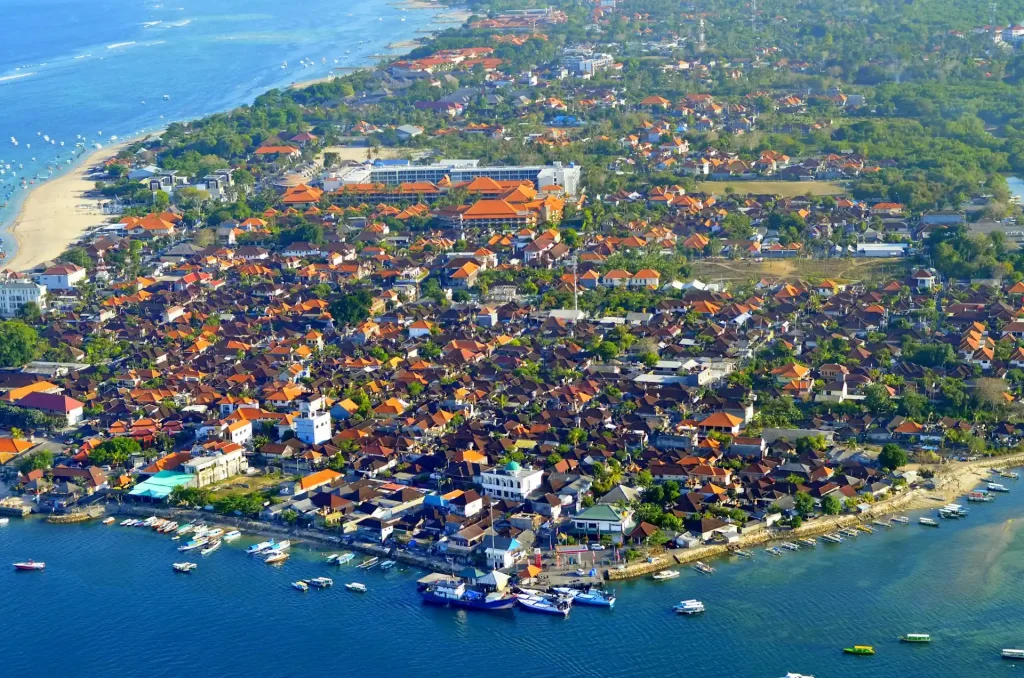
Emerging Areas to Consider
Cemagi: Quiet Coastal Living
Cemagi offers a peaceful environment with ocean views and open landscapes. It is less developed, which means fewer crowds and more space. This area is suitable if you prefer privacy and do not mind travelling a bit further for daily needs. Having your own vehicle is almost essential here.
Seseh: Community and Simplicity
Seseh strikes a balance between quiet living and social connection. There is a growing mix of locals and expats, creating a friendly and relaxed atmosphere. It is a good option if you want a simple lifestyle near the beach without the intensity of busier areas like Canggu.
Kaba-Kaba: Green and Affordable
Kaba-Kaba is ideal for retirees who prefer a rural setting with rice field views and a slower pace of life. Property and rental prices here are generally more affordable, and the area is gradually developing. While it lacks direct beach access, it is still within driving distance of popular hubs.
How to Choose the Right Area
When deciding where to settle, consider your daily habits and priorities:
- Healthcare access: Sanur and Nusa Dua are stronger options
- Nature and tranquillity: Ubud or Kaba-Kaba may suit you better
- Budget and space: Emerging areas like Cemagi and Seseh offer better value
- Lifestyle preference: Beachside vs inland, social vs quiet
Spending time in each area before making a decision can give you a clearer sense of what fits your lifestyle. Retiring in Bali is not only about choosing a location, but also about finding a place that supports the way you want to live each day.
Cost of Living in Bali for Retirees
One of the biggest advantages of retiring in Bali is the relatively low cost of living compared to many Western countries.
On average, monthly expenses can range from:
- USD 238 to USD 1,193 for a modest lifestyle
- Higher for those seeking luxury living
Typical monthly costs may include:
- Accommodation (villa rental or apartment)
- Groceries and dining
- Transportation (scooter, car, or ride-hailing apps)
- Healthcare and insurance
While Bali remains affordable, your actual expenses will depend on your lifestyle preferences and location.
Healthcare and Insurance
Healthcare in Bali is generally accessible and affordable, especially for routine check-ups and minor treatments. However, comprehensive health insurance is essential, particularly for more serious medical needs or emergencies.
Many retirees choose international insurance plans that provide coverage both in Indonesia and abroad. Access to hospitals and clinics is better in areas like Sanur and Nusa Dua, so location can play a role in your decision.
Step-by-Step Guide to Retiring in Bali
1. Try Living in Bali First
Before committing fully, spend a few months living in Bali as you would during retirement. This helps you understand daily routines, costs, and whether the lifestyle suits you long term.
2. Plan Your Finances
Make sure you have a stable income or savings to support your lifestyle. Since working is not allowed under a retirement visa, your income must come from outside Indonesia.
3. Find the Right Home
Foreigners cannot directly own land in Indonesia, but long-term leases and other legal structures are available. It is advisable to seek professional guidance before signing any agreements.
4. Arrange Transportation
Public transport is limited, so most residents rely on scooters, cars, or ride-hailing apps. Choosing a home close to essential services can make daily life easier.
5. Secure Health Insurance
Ensure your insurance plan covers your needs, including emergency care and long-term treatment if necessary.
6. Hire Local Assistance
Hiring local staff is part of the visa requirement and can also improve your quality of life. Many retirees employ housekeepers, gardeners, or drivers.
7. Apply for the Visa
Working with a visa agent can simplify the application process and help you avoid common mistakes.

Ready to Retiring in Bali?
Retiring in Bali offers a chance to enjoy a slower, more meaningful lifestyle surrounded by natural beauty and rich culture. With the right planning, the transition can be both smooth and rewarding.
From choosing the right location to preparing your finances and visa, each step helps shape a comfortable retirement experience. Take time to explore Bali beyond a short visit and find what truly suits your lifestyle.
For a taste of beachfront living, Sadara Beachfront Nusa Dua Resort in Nusa Dua offers a relaxing stay by the sea, perfect for experiencing what retirement in Bali could feel like.