Lempuyang Temple Bali is one of the most iconic and spiritually significant destinations on the island. Known globally for the famous Gate of Heaven, this sacred temple complex offers more than just a photogenic view. It represents centuries of Balinese belief, mythology, and devotion, set against dramatic mountain landscapes in East Bali.
For travellers seeking cultural depth, spiritual calm, and breathtaking scenery, visiting Lempuyang Temple Bali can be a deeply meaningful experience. This guide covers everything you need to know, from its history and significance to practical tips for planning your visit.
What Is Lempuyang Temple Bali?
Lempuyang Temple Bali, locally known as Pura Lempuyang, is one of the oldest and most sacred Hindu temples on the island. Located on the slopes of Mount Lempuyang in Karangasem, East Bali, the site is not a single temple but a complex of seven interconnected temples spread across the mountain.
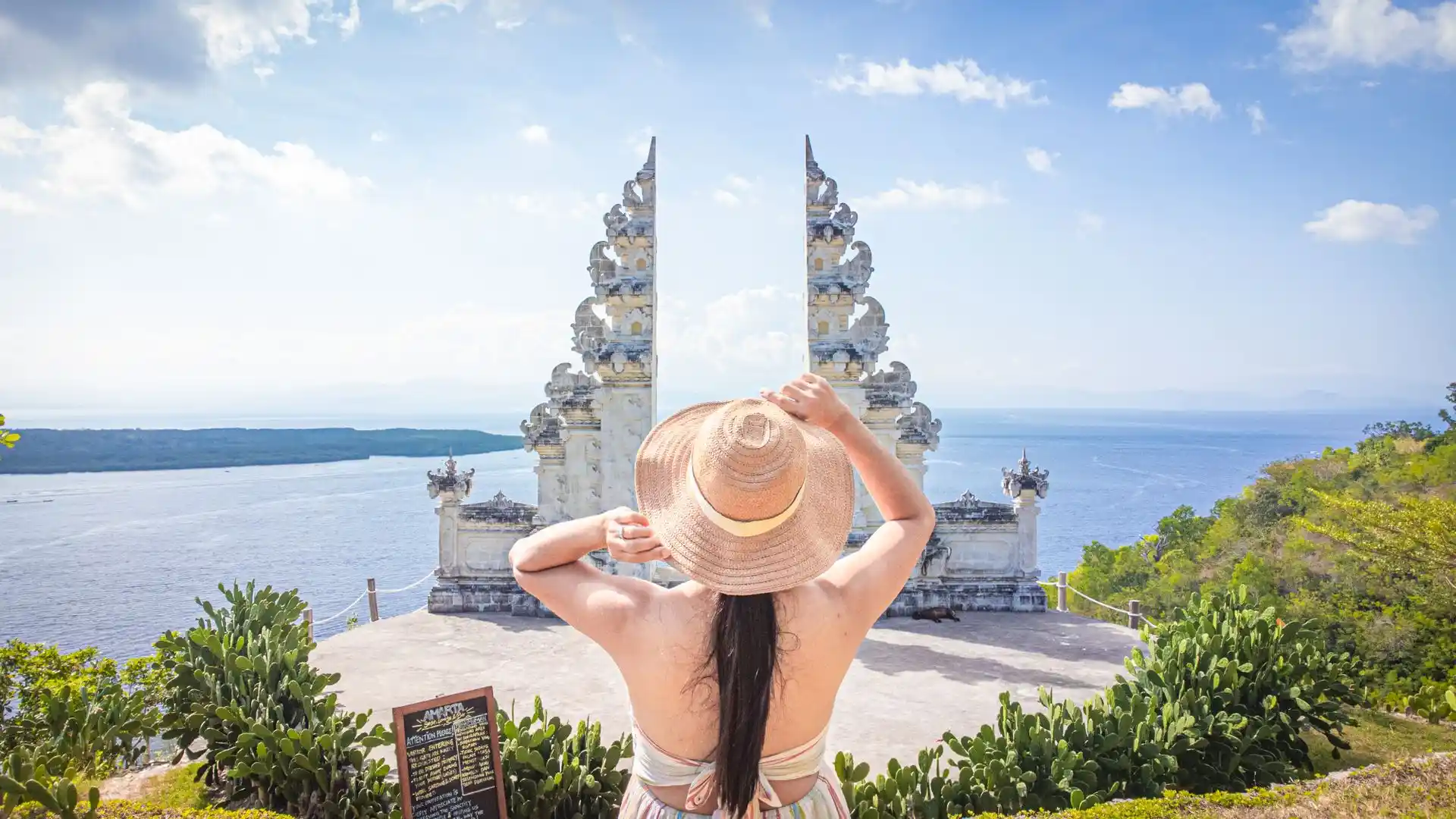
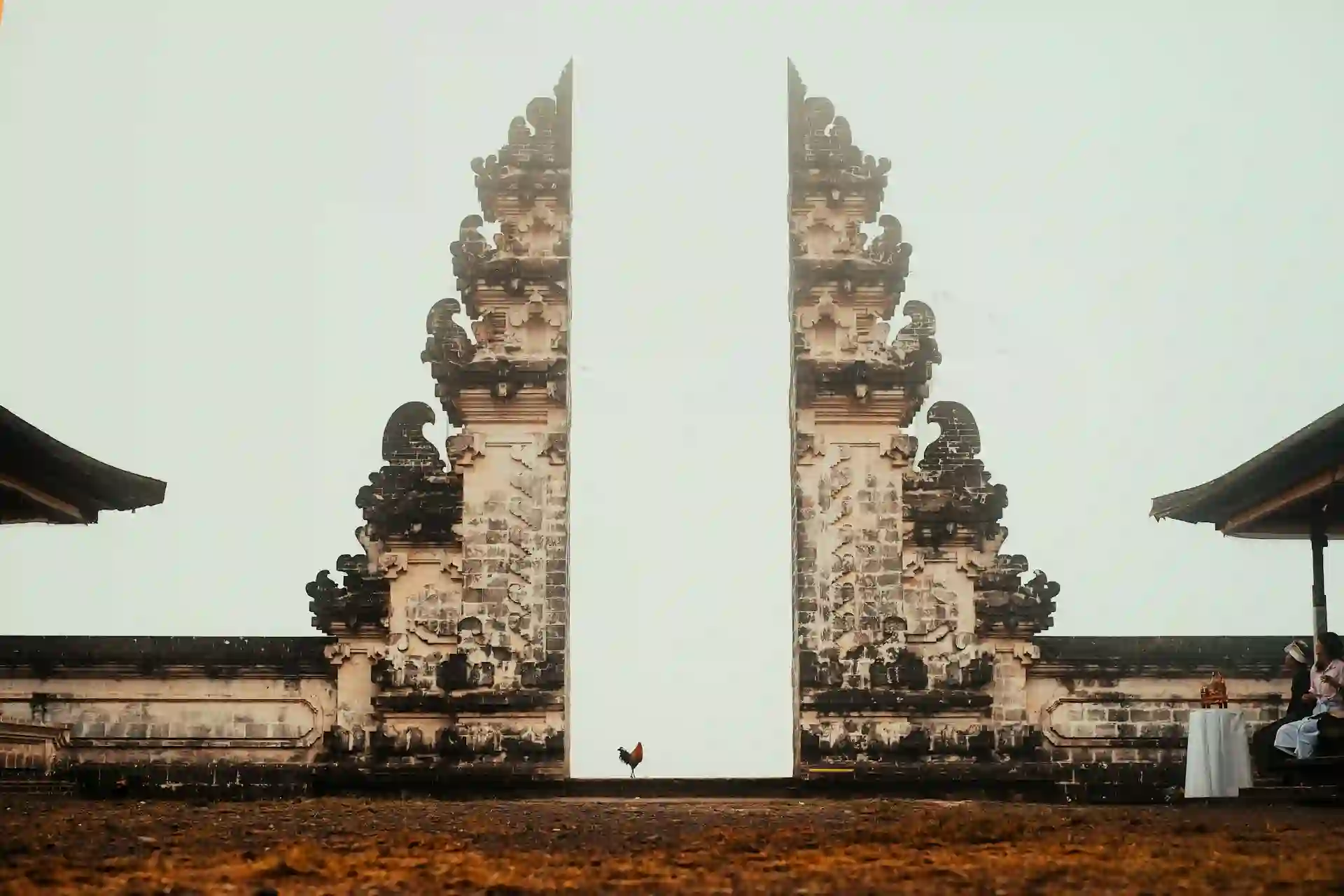
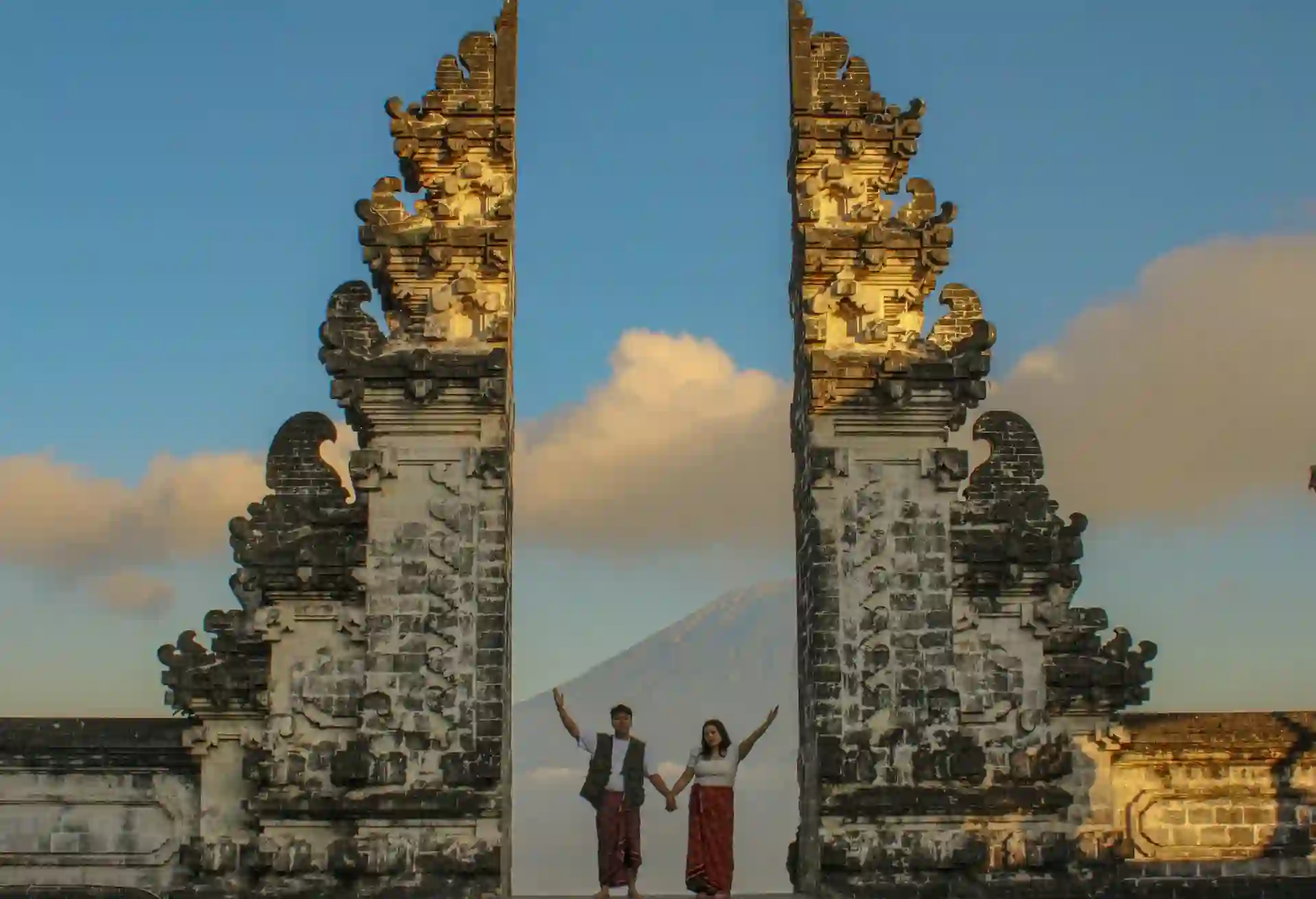
The most visited section is Pura Penataran Agung Lempuyang, home to the famous Gate of Heaven Bali. From here, visitors can witness a stunning alignment of the temple gates framing Mount Agung, creating one of Bali’s most recognisable views.
Beyond its visual appeal, the temple plays an important role in Balinese Hindu cosmology and spiritual life.
History and Spiritual Significance of Lempuyang Temple Bali
As one of the oldest temples in Bali, Lempuyang Temple holds deep historical and spiritual importance. According to ancient Balinese texts such as Kutara Kanda Dewa Purana Bangsul, the temple’s origins are closely tied to early Hindu beliefs that predate many other religious sites on the island.
The name “Lempuyang” is believed to come from the words lempu (light) and hyang (divine being), symbolising a place of spiritual illumination. In Balinese Hindu philosophy, Lempuyang Temple is part of the Sad Kahyangan Jagat, a group of key temples believed to protect the island from negative forces.
Spiritually, the temple guards the eastern direction of Bali, aligning with the concept of Dewata Nawa Sanga, which governs the balance of cosmic energy across the island.
The Journey to the Temple: A Pilgrimage in Itself
Reaching the upper temples of Lempuyang is considered a spiritual journey. Visitors who wish to continue beyond the main temple must climb approximately 1,700 stone steps through forested paths and mountain terrain.
The climb is physically demanding, but many believe the effort reflects a symbolic purification process. Along the way, the cool mountain air, natural surroundings, and quiet atmosphere offer moments of reflection and calm.
Visiting Information for Lempuyang Temple Bali
Lempuyang Temple Opening Hours
Lempuyang Temple is currently open to general visitors from 7:00 am to 5:00 pm WITA. Hindu worshippers may access the temple outside regular visitor hours for religious purposes. As opening hours can occasionally change during temple ceremonies or special events, it is worth checking the latest information before your visit.
For sightseeing, arriving close to opening time is a good option. Morning visits usually bring cooler temperatures, lighter crowds, and a better chance of seeing Mount Agung before clouds build later in the day.
Lempuyang Temple Entrance Fee
Based on the latest published information, the entrance fee is IDR 50,000 for domestic visitors and IDR 100,000 for international visitors. A sarong and sash required for entering the temple are included with the ticket.
Visitors travelling from the main parking area can also use the shuttle service to reach the temple entrance. The current shuttle fare is approximately IDR 50,000 per person.
Entrance fees, shuttle charges, and operating arrangements may change over time, so it is always a good idea to confirm the latest rates before travelling.
Location and How to Get There
If you’re staying in Nusa Dua, allow approximately 2.5 to 3 hours each way, depending on traffic. Because of the distance, Lempuyang works best as an early-start East Bali day trip rather than a short excursion.
Consider combining Lempuyang with Tirta Gangga or other East Bali attractions.
The Famous Gate of Heaven Bali
The Gate of Heaven is the most photographed spot at Lempuyang Temple Bali. Positioned perfectly to frame Mount Agung, the gate symbolises the transition between the earthly and the divine.
Many visitors are surprised to learn that the mirror-like reflection in photos is created using a simple reflective surface held by local staff, rather than a pool of water. Despite this, the visual effect remains striking, especially during sunrise when soft light enhances the mountain silhouette.
Best Time to Avoid the Gate of Heaven Queue
Arriving close to opening time can help reduce waiting time for photos at the Gate of Heaven. The queue often becomes longer later in the morning as more day-trip visitors arrive.
Why Lempuyang Temple Bali Is Worth Visiting
Lempuyang Temple Bali offers a rare blend of natural beauty, spirituality, and cultural depth. From the temple gates, visitors can enjoy sweeping views of mountains and valleys, with Mount Agung appearing especially striking on clear days. The setting alone creates a sense of awe that feels both powerful and calming.
Beyond the scenery, the temple maintains a strong spiritual atmosphere. The sound of prayers, the scent of incense, and the cool mountain air invite visitors to slow down and reflect. Observing Balinese Hindu rituals and respecting local customs also adds cultural richness, making the visit feel meaningful rather than purely visual.
Tips for Visiting Lempuyang Temple
A little preparation can make your visit to Lempuyang Temple more comfortable and respectful, especially if you plan to explore beyond the Gate of Heaven.
Wear Appropriate Temple Clothing
Visitors should dress modestly when entering the temple. A sarong is required, and shoulders and knees should be covered. Avoid clothing that is too revealing, as Lempuyang is an active Hindu place of worship.
Bring Water and Comfortable Footwear
If you plan to explore the upper temple areas, expect plenty of walking and steps. Wear comfortable footwear and bring enough drinking water, especially on warm days.
Prepare for Changing Weather
Weather in East Bali can change quickly, particularly around Mount Lempuyang. Bring sun protection and a light rain jacket or umbrella during the wetter months.
Respect Temple Etiquette
Keep noise to a minimum, follow instructions from temple staff, and avoid interrupting ceremonies or worshippers. Photography is generally allowed in many areas, but sacred spaces should always be treated with respect.
Allow Enough Time for Your Visit
Do not rush your itinerary. The Gate of Heaven photo queue, shuttle transfers, and time spent exploring the temple complex can all add to the length of your visit. Allow extra time if you plan to continue to the higher temples.
Planning a Lempuyang Temple Day Trip from Nusa Dua?
Lempuyang Temple is best planned as a full-day trip from Nusa Dua, especially if you want to combine the visit with other East Bali highlights such as Tirta Gangga or Taman Ujung. Starting early gives you more time to enjoy the temple, manage the Gate of Heaven queue, and explore Karangasem without rushing.
After a long day in East Bali, returning to Nusa Dua gives you a comfortable base to slow down and relax by the coast. If you are staying at Sadara Nusa Dua Resort, you can end the day with a quieter beachfront atmosphere after hours of sightseeing and travel. Explore Rooms at Sadara Resort