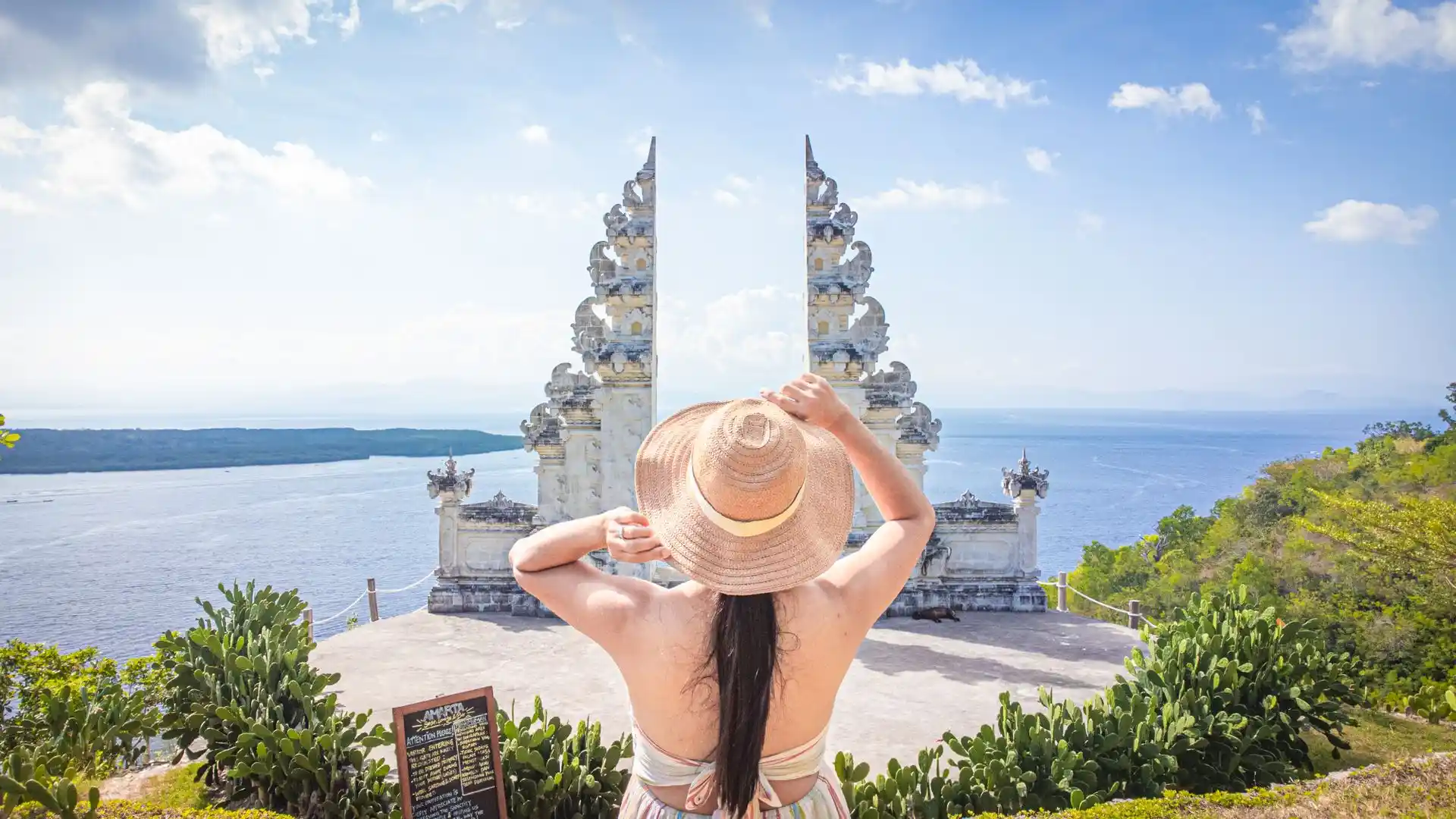
Setting out on an adventure to Bali isn’t just about soaking up the sun on its pristine beaches: it’s about delving into a world of captivating culture and timeless traditions Barong Dance that will leave you spellbound. Prepare to be entranced by the island’s vibrant art performances, enchanting ceremonies, and mystical history. Bali is a melting pot of cultural richness, where every corner echoes with the echoes of ancient tales and age-old rituals.
at the heart of Bali’s cultural tapestry lies the mesmerizing traditional dance – a theatrical masterpiece that transcends time and space. This iconic performance brings to life the eternal battle between good and evil through the mythical characters of Barong and Rangda. As the rhythmic beats fill the air and dancers twirl in intricate costumes, you’ll find yourself drawn into a world of magic and mystery.
But experiencing the Barong dance isn’t just about witnessing a performance – it’s about immersing yourself in Bali’s soul. From the bustling streets of Ubud to the tranquil temples of Uluwatu, there are countless venues where you can witness this awe-inspiring spectacle. So, get ready to embark on a journey of discovery and lose yourself in the timeless allure of Bali’s cultural heritage.

A Concise Background of the Balinese Barong Dance
Primarily, this enthralling display is a cherished part of Bali’s cultural legacy, vividly portraying the timeless confrontation between Barong, the embodiment of benevolence, and Rangda, the harbinger of malevolence. Adding to the allure, a revered Balinese Hindu spiritual leader, known as Pemangku, guides this revered ceremony of the Barong dance.
Yet, for those intrigued by its intricate past and profound symbolism, an exploration into its captivating history awaits the barong dance of Bali.

Where to Watch the Barong Dance in Bali
| Venue | Performance | Schedule | Ticket Price | Important Information |
|---|---|---|---|---|
| Batubulan Village | Traditional Barong and Keris Dance | Daily, approximately 9:30 AM–10:30 AM | Approximately IDR 150,000 per adult and IDR 75,000 per child aged 5–10 | Batubulan has several performance stages, including Sahadewa, Sila Budaya, and Jambe Budaya. Visitors should arrive around 30 minutes before the show to purchase tickets and find suitable seats. |
| ARMA Ubud | Barong Dance and Barong Prakpak | Barong Dance: Tuesday at 7:00 PM Barong Prakpak: Sunday at 7:00 PM |
Approximately IDR 150,000 per person | ARMA presents different Barong-based performances on selected evenings. Barong Prakpak combines traditional dance, music, and an environmental story involving animals affected by deforestation. |
| Tanah Kilap Cultural Stage, Denpasar | Traditional Barong and Keris Dance | Daily, approximately 9:30 AM–10:30 AM | Approximately IDR 150,000 at the venue, with lower prices sometimes available through authorised online ticket sellers | The stage is located in Pemogan, South Denpasar. Visitors are generally advised to arrive by 9:00 AM, as the gamelan introduction may begin before the main performance. |
| GWK Cultural Park | Barong Bojog Dance | Daily at 3:00 PM | Included with the regular GWK Cultural Park entrance ticket | Barong Bojog is a shorter cultural performance featuring the Barong character and playful monkey figures. It differs from the longer traditional Barong and Keris Dance commonly performed in Batubulan. |
| GWK Cultural Park | BarAong Show | Wednesday to Saturday at 6:00 PM | Approximately IDR 125,000 per person through the listed GWK at Night programme | BarAong is a modern theatrical interpretation that combines large Barong characters, choreography, lighting, sound, and multimedia effects. It should be distinguished from a traditional village Barong ceremony. |
Performance schedules, ticket prices, and availability may change during religious ceremonies, private events, or venue maintenance. Visitors should confirm the latest information directly with the venue or an authorised ticket provider before travelling.
Encountering the Barong Dance is a Must on Your Bali Vacation
Experience the Spellbinding Barong Dance in Bali, a riveting theatrical display steeped in cultural richness. Delve into the age-old battle between good embodied by Barong and evil personified by Rangda, unraveling deep Balinese mythology in a mesmerizing performance.
Step into the heart of traditional villages where these captivating spectacles unfold, offering a rare chance to immerse yourself in the vibrant tapestry of Balinese life. Engage with the local community and witness firsthand the intricacies of their customs and traditions.
Moreover, your attendance at these performances serves as a vital contribution to the preservation and advancement of Balinese art and culture, ensuring that these cherished traditions continue to thrive for generations to come. Don’t miss the opportunity to be swept away by the enchanting allure of the Barong Dance, a truly unforgettable experience in the heart of barong dance Bali.
Different Forms of the Barong Dance in Bali
Moreover, Bali presents a range of performances, notably the Barong Ket and the Barong Bangkung, which stand out among them. Here’s a brief overview of various types you might come across:
- Ket: This is the most well-known type, portraying a lion in its tales, symbolizing goodness.
- Barong Bangkal: Also known as Barong Bangkung, this variant resembles a boar.
- Barong Macan: As the name suggests, this rendition resembles a tiger.
- Barong Asu: Rarely seen and resembling a dog, this type is mainly performed in select regions of Bali.
- Unlike others, the Barong Landung, representing a human, typically performs in pairs.
- On the contrary, the Barong Gajah, mirroring an elephant, is a rare sight on the island.
Unraveling the Mythology of Barong and Its Meaning
Furthermore, the Barong Ket reigns supreme as the quintessential character in the vibrant world of Balinese theatrical productions. It captivated audiences across the island with its mesmerizing presence. This iconic figure takes center stage in an array of performances, serving as the focal point of numerous narratives that delve deep into the intricate layers of Balinese mythology and cultural heritage, weaving a spellbinding tapestry that enraptures spectators and transports them into the mystical realms of Bali’s folklore.
Encountering the Barong Ket
The Barong Ket costume mirrors the majestic aura of a lion, draped in lush. Feather-like textiles and adorned with elaborate headpieces and ornate embellishments. Including an array of tiny mirrors that glimmer across its body.
Bringing the enchanting Balinese Barong Ket Dance to life requires a dynamic duo of male dancers. One leads from the front, commanding the graceful movements of the Barong’s head and forelegs, while the other synchronizes from behind, choreographing the spirited sways of the Barong’s tail and hind legs. Together, they fuse skill and storytelling to mesmerize audiences with this captivating cultural spectacle.
Understanding the Narrative of the Barong Ket & Kris Dance
The tale of Calon Arang serves as the inspiration behind the Barong Ket dance. For those unfamiliar, it recounts the clash between Mpu Bharada, symbolizing good, and Calon Arang, a formidable widow from Girah village, embodying evil. So, what does the Barong Dance represent in Balinese culture? In this performance, the Barong Ket embodies benevolence, while the antagonist, Rangda – translating to “Widow” in Javanese – embodies malevolence.
The Balinese Kris Dance, an integral part of the Barong performance, showcases dancers wielding the Kris as their primary weapon, carrying profound spiritual significance as dancers often enter into trance states. During the Bali Barong Ket Dance. Male dancers engage Rangda with daggers, symbolizing the soldiers of the Airlangga Kingdom in the Calon Arang tale.
However, due to Rangda’s mystical powers, they inadvertently turn the daggers on themselves. In a trance, the dancers thrust the daggers into their chests. Yet, protected by the Barong and a priest’s spells, they remain unharmed by the Kris’ blows. Ultimately, Barong Ket emerges victorious over Rangda, restoring the assailants’ consciousness from her magical influence.

Frequently Asked Questions
What is Balinese dance?
Balinese dance is a traditional art form from Bali, Indonesia, that combines intricate body movements, expressive facial gestures, and dramatic storytelling. It is deeply tied to Balinese Hindu rituals and almost always bring perforamnce with a live gamelan performance, which gives the dance its powerful rhythm and atmosphere.
What are the most famous Balinese dances?
Some of the most popular dances include:
- Barong Dance: the performance are of good and evil between Barong and Rangda.
- Legong Dance: a graceful dance traditionally performed by young girls.
- Kecak Dance: also called the “monkey chant dance,” famous for its chanting chorus and Ramayana story.
- Topeng Dance: a mask dance depicting kings, clowns, and historical characters.
Where can I watch Balinese dance performances?
Balinese dances are performed daily in popular cultural hubs like Ubud, Denpasar, and Nusa Dua. Ubud Palace is one of the best-known venues for nightly shows. Resorts and cultural theatres across Bali also host scheduled performances for visitors.
What is the meaning behind Balinese dance?
Balinese dance is more than entertainment—it’s a spiritual expression. Each gesture, step, and eye movement carries symbolic meaning, often reflecting stories from Hindu epics like the Ramayana and Mahabharata, or representing the balance of good and evil.
Do I need to book tickets in advance?
For popular shows such as the Kecak Dance in Uluwatu Temple or the Barong Dance in Ubud, it’s best to book tickets in advance, especially during peak tourist season. Smaller village performances may allow walk-ins.
Watching the Balinese Barong Dance Performance
while the Barong Bali spellbinds you, why not elevate your experience by staying at the SADARA Resort Hotel? Bali Nusa Dua Resort offers more than just stunning beaches—it’s a cultural paradise waiting to be explored. At its heart lies the captivating Barong dance, an ancient performance depicting the eternal clash between good and evil. From the vibrant streets of Ubud to the tranquil temple settings. Bali presents a myriad of venues to witness this mesmerizing spectacle.
Whether you’re enchanted by the graceful Barong Ket or intrigued by the symbolic Kris dance, these shows offer a profound glimpse into Bali’s soul, leaving lasting memories. Prepare to be captivated and immerse yourself in Bali’s rich cultural tapestry.