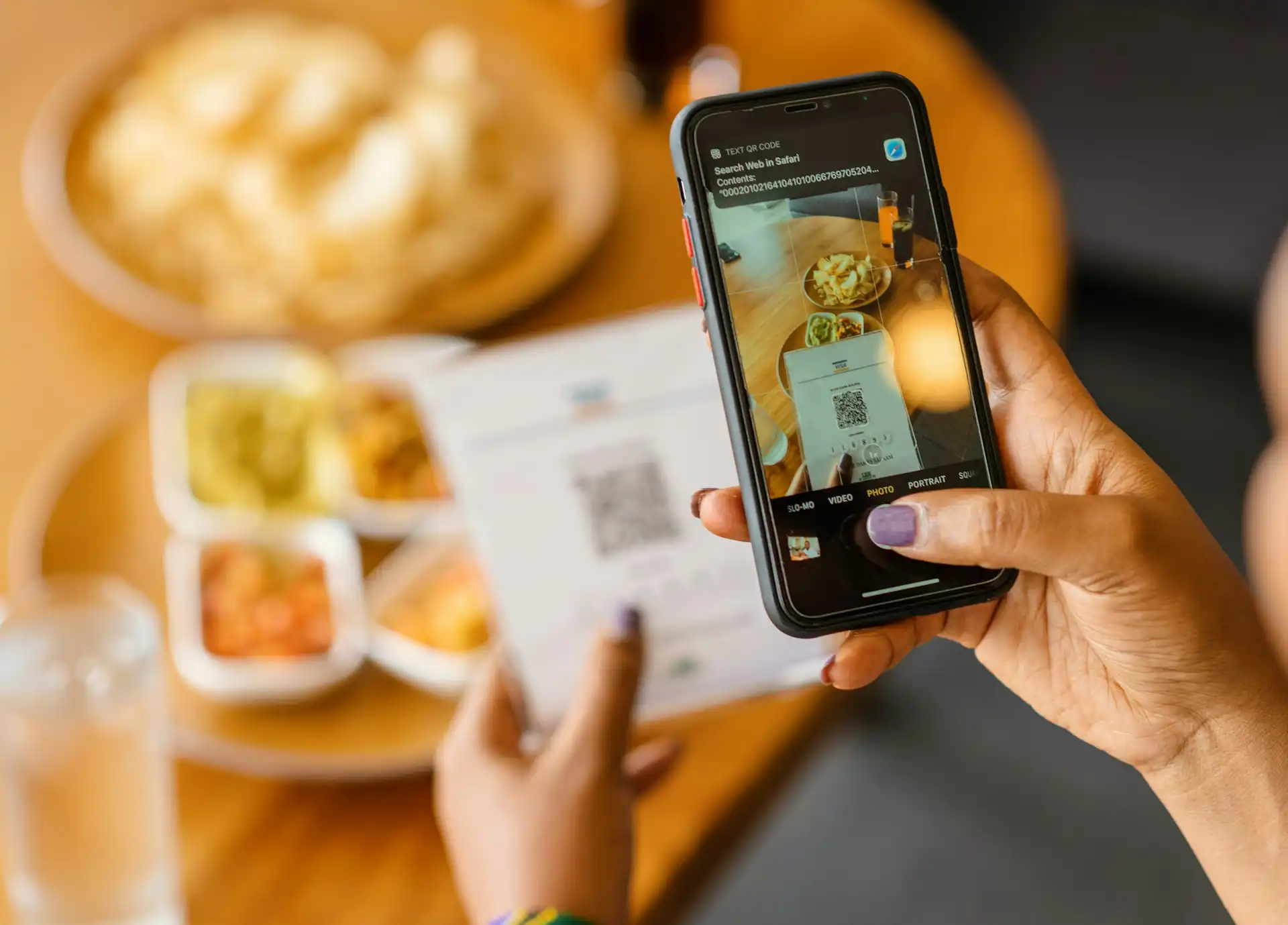
Travelling around Bali has become more convenient than ever, thanks to the rapid growth of digital payment in Bali. Whether you’re enjoying a beachfront dinner in Nusa Dua, browsing boutiques in Seminyak, or buying fresh coconuts from a local vendor, you’ll notice that many businesses now accept QR code payments.
Indonesia’s national QR payment system, known as QRIS (Quick Response Code Indonesian Standard), has transformed how locals and visitors pay for everyday purchases. While carrying some cash is still recommended, digital payments have become a practical option for most travel expenses. In addition to QRIS, travellers can also benefit from other convenient payment methods, including contactless tap-to-pay cards and digital wallets supported by international payment providers.
Here’s everything you need to know before using digital payment methods during your Bali holiday.
What Is Digital Payment in Bali?
Digital payment in Bali refers to cashless transactions made through mobile wallets, banking apps, and QR code payments. The backbone of this system is QRIS, a standard developed by Bank Indonesia that allows merchants to accept payments through a single QR code.
Instead of displaying different QR codes for multiple payment providers, businesses only need one QRIS code. Visitors simply scan it using a compatible payment app and complete the transaction within seconds.
Today, QRIS is accepted by millions of merchants across Indonesia, including restaurants, cafés, supermarkets, beach clubs, souvenir shops, convenience stores, spas, and many small local businesses.
Why Digital Payments Are Becoming So Popular in Bali
The popularity of digital payment in Bali continues to grow because it offers several advantages for both tourists and local businesses.
Faster Transactions
Scanning a QR code takes only a few seconds, making payments quicker than counting cash or waiting for card authorisations.
Improved Security
Using digital payments reduces the need to carry large amounts of Indonesian Rupiah. This helps minimise the risk of losing cash while travelling.
Greater Convenience
Many travellers no longer need frequent ATM visits or currency exchanges throughout their holiday. One compatible payment app can cover most daily expenses.
Better Support for Local Businesses
Even small family-owned warungs and market stalls can now accept digital payments without investing in expensive card terminals, making it easier for visitors to support local businesses.
How QRIS Works for Tourists
QRIS is designed to simplify payments across Indonesia. The payment process is straightforward:
- Open your supported banking or digital wallet app.
- Scan the merchant’s QRIS code.
- Confirm the payment amount.
- Authorise the transaction.
Most payments are processed instantly.
Many restaurants, cafés, retail stores, attractions, and service providers throughout Bali now display QRIS codes at their payment counters.
Can Foreign Tourists Use Digital Payment in Bali?
Yes. International visitors have several options for using digital payment in Bali.
Travellers from Selected Asian Countries
Indonesia has established cross-border QR payment connections with several countries, allowing travellers to use compatible banking apps from home. Supported payment networks include:
- Singapore (NETS)
- Malaysia (DuitNow)
- Thailand (PromptPay)
- Japan (JPQR)
- South Korea
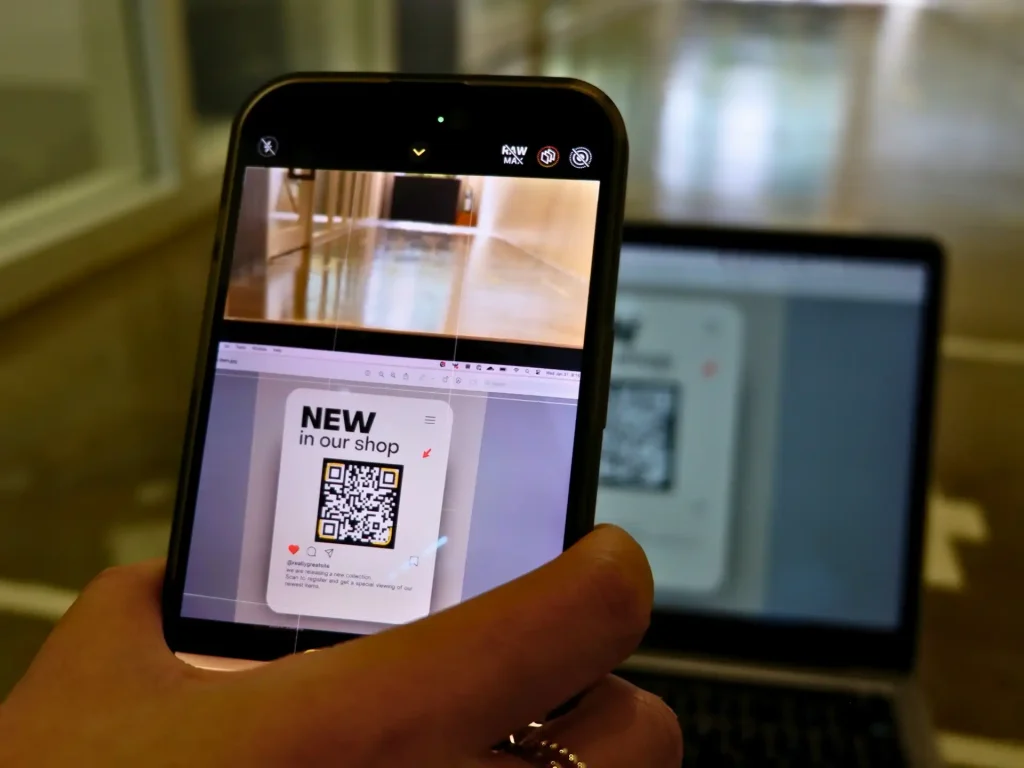
Eligible users can scan QRIS codes directly using their existing banking or payment apps, with currency conversion handled automatically.
Visitors from Australia, Europe, the United States, and Other Countries
Travellers from other regions can still access Bali’s cashless payment system by downloading a local digital wallet, such as GoPay or OVO, and linking an eligible international payment card where supported.
Some international payment providers, including Wise, also allow QR payments at participating merchants through compatible QR networks
Where Can You Use Digital Payments in Bali?
Digital payment in Bali is widely accepted across the island, particularly in popular tourist destinations such as Nusa Dua, Seminyak, Canggu, Ubud, Sanur, and Uluwatu. Restaurants, cafés, beach clubs, hotels, supermarkets, shopping centres, spas, souvenir shops, laundry services, and many transport providers now accept QRIS or contactless card payments.
However, cash is still useful in certain situations, especially when visiting smaller businesses or cultural attractions. The table below provides a general guide to where digital payments are commonly accepted.
Payment Type | Digital Payment/Card | Cash |
Taxis | Sometimes | Yes |
Ride-sharing apps | Yes | Yes |
Convenience stores | Yes (major chains) | Yes |
Coffee shops | Often | Yes |
Restaurants and cafés | Often | Yes |
Hotels and resorts | Yes | Yes |
Shopping centres | Yes | Yes |
Laundry services | Often | Yes |
Temples and shrines | Rarely | Yes |
Public transport | Varies by operator | Yes |
Small local warungs | Sometimes, but not all | Yes |
Traditional markets | Some vendors | Yes |
Although Bali’s cashless ecosystem continues to grow, carrying a small amount of Indonesian Rupiah is still recommended, particularly when visiting remote areas, traditional markets, local parking fees, some boat operators or remote attractions, temples, or businesses where digital payment options may not be available.
Contactless Tap-to-Pay with Wise
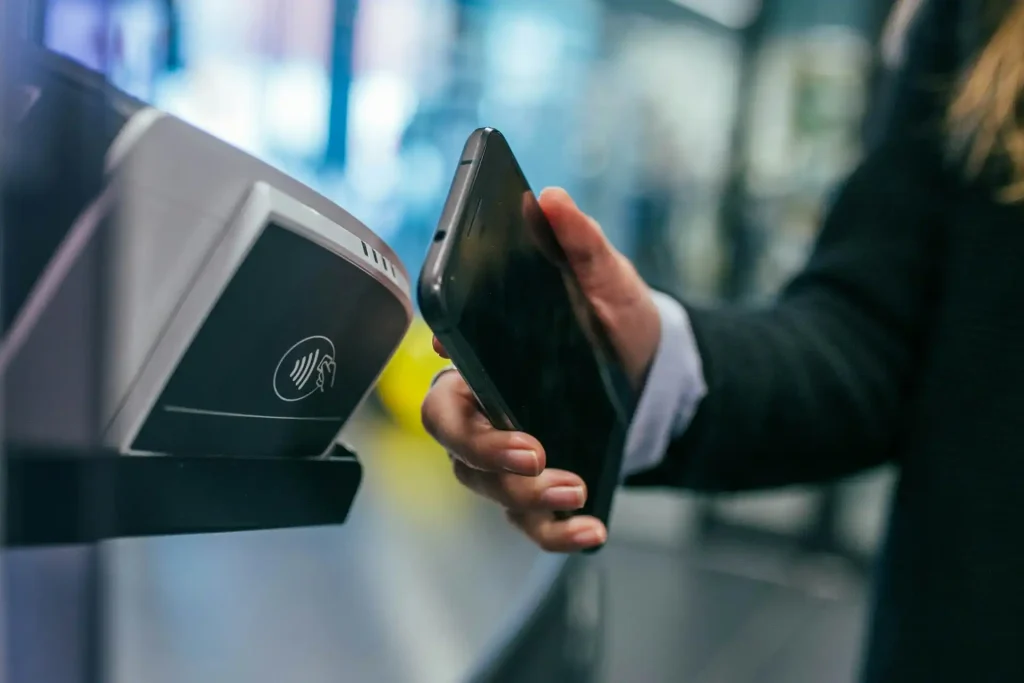
In addition to QRIS, travellers can also make contactless payments at many businesses across Bali. Supermarkets, larger hotels, upscale restaurants, and other established retailers often accept contactless cards, making it easy to pay by simply tapping your card or mobile device at the payment terminal.
If you use a Wise Card, you can add it to a compatible mobile wallet such as Apple Pay or Google Pay and pay using your smartphone or smartwatch at terminals displaying the contactless or Visa/Mastercard symbol. Wise also offers a virtual card, allowing travellers to make contactless payments without carrying multiple physical cards.
For in-store purchases, contactless transactions in Indonesia are generally limited to IDR 1,000,000 per tap. While tap-to-pay is increasingly available in Bali’s popular tourist areas, QRIS remains the more common payment method at smaller local businesses, cafés, and traditional markets. Carrying both a contactless payment option and a small amount of cash gives you greater flexibility throughout your trip.
Tips for Using Digital Payment in Bali
Using digital payment in Bali is generally straightforward, but a little preparation can make your experience even smoother.
Before your trip, consider downloading any payment apps you plan to use and completing the registration process in advance. This can save time after you arrive and allows you to start making cashless payments sooner.
Since QRIS transactions require an internet connection, having a reliable mobile data plan is equally important. Many travellers choose to use a local SIM card or eSIM to ensure stable connectivity while moving around the island.
It’s also worth notifying your bank about your travel plans before departing. Some banks automatically flag overseas transactions as unusual activity, which could temporarily block your card if they aren’t aware you’re travelling.
Finally, take a moment to review your card’s exchange rates and foreign transaction fees. Understanding these charges beforehand can help you choose the most cost-effective payment method and avoid unexpected costs during your holiday.
Is Digital Payment Safe in Bali?
Yes. Digital payment systems in Bali are generally considered secure.
QRIS is regulated by Bank Indonesia, and transactions are encrypted through authorised payment providers. As with any digital payment method, travellers should follow basic security practices:
- Only scan official merchant QR codes.
- Verify the merchant name before confirming payment.
- Avoid using unsecured public Wi-Fi when making transactions.
- Enable biometric authentication or PIN protection on your payment apps.
Taking these precautions helps keep your financial information protected throughout your trip.
Enjoy a More Convenient Bali Holiday
Digital payment in Bali has made exploring the island more convenient than ever. With QRIS now accepted by many restaurants, shops, attractions, and local businesses, visitors can enjoy faster and more secure transactions throughout their trip. While carrying a small amount of cash is still recommended for certain situations, being prepared with a compatible digital payment method can make your holiday smoother and more enjoyable.
If you’re planning a stay in Nusa Dua, SADARA Resort offers a peaceful beachfront retreat where you can unwind after a day of exploring Bali. Nestled along the island’s tranquil eastern coastline, the resort combines warm Balinese hospitality with comfortable accommodations and modern facilities, making it an ideal choice for travellers seeking a relaxing and memorable island getaway. Explore SADARA Resort and start planning your Bali escape.