The best time to visit Bali for most travellers is during the dry season from April to October, with May, June and September offering a particularly good balance of weather, crowds and value. July and August usually bring some of the driest conditions, but they are also among the busiest months.
The right month ultimately depends on whether you are planning a beach holiday, surfing trip, honeymoon, family getaway, or looking for lower prices.
What is the best time of year to visit Bali?
Bali is a tropical island, so the weather is pretty much the same year-round. However, the dry and wet seasons provide some variation in the weather, which can affect the available activities.
The Bali weather of the dry season is from April to October, and the wet season is from November to March. During the wet season, you can expect heavy rainfall, and from January to March, the humidity is extremely high.
When there is a lot of rain, it can bring out mosquitoes that transmit malaria, so it is important to be cautious with insect repellent and where you venture, particularly after sunset. Those who plan to go to the jungle should also think about taking anti-malarial medication. On the bright side, there are advantages to these wetter conditions. Tourists can take advantage of the inexpensive costs and less-populated beaches and visit Bali temples.
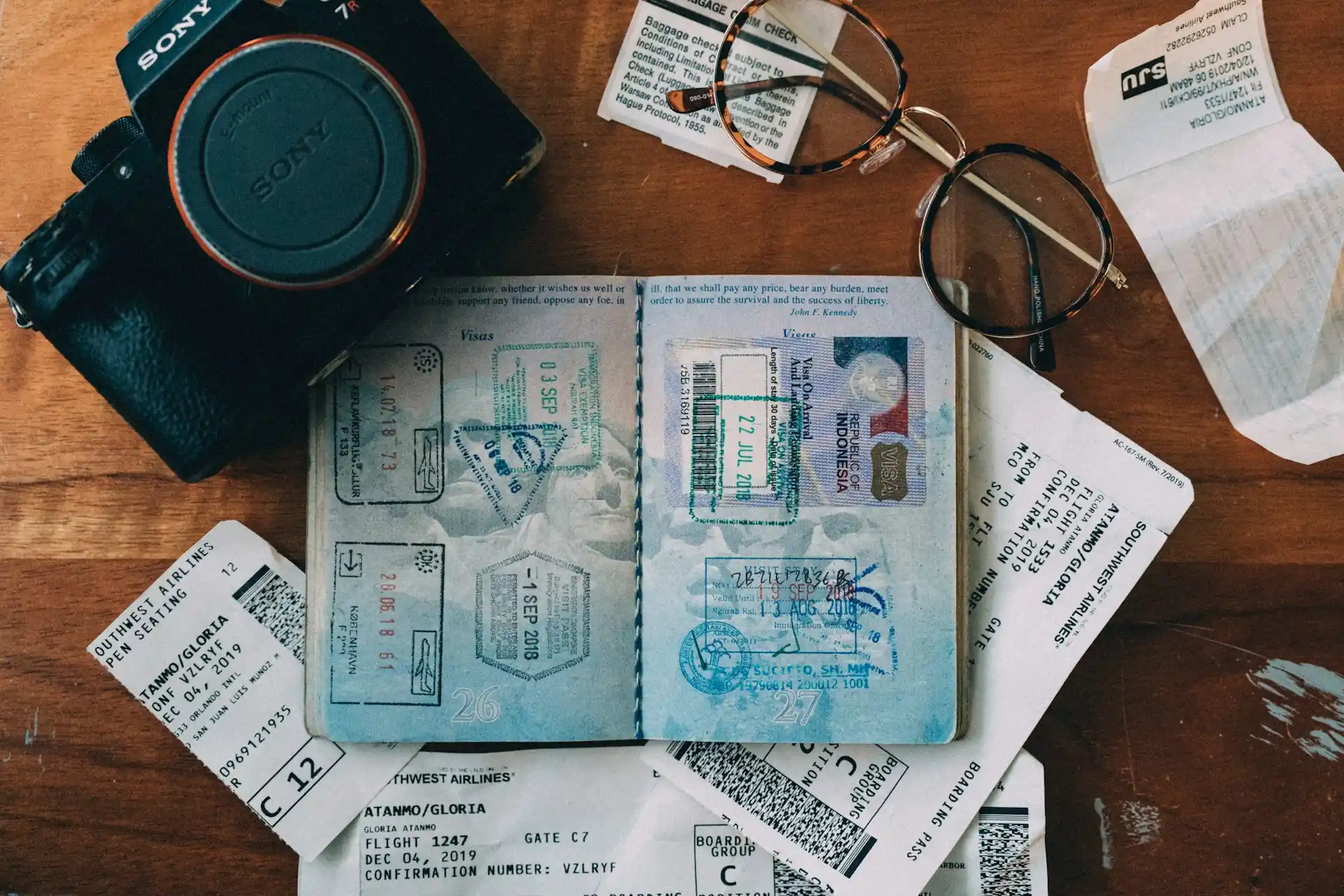
And also, International travellers should also check the latest Bali visa requirements before finalising their travel dates.

What are the peak and off-peak seasons?
Bali’s peak season is from July to August. The weather is good, the crowds are low and prices are high, and there are plenty of festivals taking place. Furthermore, the exchange rate between the Indonesian rupiah and other major currencies is favorable.
If you are planning to travel to the Gili Islands, then you should know that The peak season for the Gili Islands is between May and September. The weather is great, the sea is calm, and there are plenty of boat departures.
The off-peak season in Bali is between October and April. If you want to avoid the crowds and high prices, you should visit Bali outside of the peak season. From July to August, the weather is extremely hot and humid, which makes it a bit difficult to explore the island. The dry season is particularly suitable for exploring Nusa Dua beaches, when rainfall is generally lower and beach days are easier to plan. Unless, of course, you’re hoping to work on a summer tan, then July to August is great!
| Season | Months | What to Expect |
|---|---|---|
| Dry Season | April–October | Less rain, good for outdoor activities |
| Wet Season | November–March | More rain, greener landscapes |
| Peak Season | July–August + Christmas/New Year | Highest crowds and prices |
| Shoulder Season | April–June, September–October | Good weather with fewer crowds |
| Low Season | Mainly November–March* | Quieter and often better value |
*Christmas and New Year are exceptions, as visitor numbers and prices usually increase during the holiday period.

What are the pros and cons of visiting during peak and off-peak times?
Visiting Bali during the peak season is a great choice, as it is when the crowds are low and prices are high. Furthermore, the weather is good, and there are plenty of festivals taking place. However, during the peak season, you can expect the beaches to be busy with tourists, and prices for hotel rooms, airfare, and food are high. You may also struggle to find availability for the Bali journey and places to stay.
Despite the perks, peak season isn’t for everyone. Visiting Bali during the off-peak season is an excellent option if you’re looking for some peace. You can expect a more affordable visit as prices are lower, and you may be able to find availability for hotels, activities, and tours. Before your trip, it is also useful to understand the time zone in Bali and how it differs from your home country.
Festivals and Events to create your Planning while Trip in Bali
Bali’s festivals and cultural events can shape the atmosphere of your trip, so it is worth checking the calendar before you travel. Nyepi brings a full day of silence across the island, while Galungan and Kuningan are marked by temple ceremonies, offerings, and decorated bamboo poles known as penjor. The Bali Arts Festival, usually held around June and July, is another major cultural event featuring performances, exhibitions, and traditional arts. Christmas and New Year can also make parts of Bali much busier and more expensive.
Festival dates can change from year to year, especially for Balinese Hindu celebrations, so travellers should check the latest calendar before finalising their itinerary.
Frequently Asked Questions: Best Time to Visit Bali
When is the absolute best time to visit Bali?
The sweet spot is April to October if you dream of clear skies, golden sunsets, and calm seas. This is Bali’s dry season — perfect for beach days, outdoor dining, and exploring temples without a drop of rain in sight.
Does it rain all the time during the wet season?
Not at all. The rainy season (November to March) brings short tropical bursts, often in the afternoon, leaving mornings bright and fresh. It’s when Bali’s landscapes turn their lushest green. Ideal for those who love quieter, slower travel.
What months are best for budget travelers?
If you’re looking for luxury on a lighter budget, visit between February and April. Resorts offer great deals, beaches are peaceful, and you’ll still catch plenty of sunshine before the dry season rush begins.
When is Bali best for surfers and adventure seekers?
Bali’s west and southwest coasts generally see their strongest surf season during the dry months, while east-coast breaks can perform better during the wet season.
Is there a time I should avoid visiting Bali?
Bali welcomes all year, but late December to early January can feel crowded and pricey as the island celebrates the holidays. Aim for the months before or after peak season if you prefer tranquility and relaxed resort vibes.
Come and get your Best Experience After visiting Bali Island
Bali has a tropical climate all year round. It is better to avoid the wet season as heavy rains can make it hard to go around and can lead to flooding in some parts of the island. The best time to visit Bali is during the dry season between June and October. Each year, the leaves turn a beautiful shade of green, and it is during this time that the island comes alive with color. The sea is calm during these months, and you can enjoy beach-going activities like surfing and snorkeling. During the dry season, temperatures average around 28-32 degrees Celsius (81-90 degrees Fahrenheit).
If beach time is a priority, Nusa Dua can be enjoyed throughout the year, with the dry months offering particularly comfortable conditions for days by the coast. Staying at Sadara Nusa Dua Resort in Bali also puts you close to beaches, watersports and other South Bali attractions. The resort is conveniently located for easy travel throughout the island, and we would be happy to provide you with contact information to get more information about it.